
Los Cabos
The Arch, humpback whales from December to April, the Cabo Pulmo reef and San José del Cabo's galleries, at the tip of Baja California Sur.
- Where it is
- Southern tip of the Baja California peninsula, in the state of Baja California Sur, Mexico. Los Cabos International Airport (SJD) is about 11 km (7 mi) from San José del Cabo and about 40 km (25 mi) from Cabo San Lucas.
- Getting there
- There's no nonstop flight from Colombia. With Copa: Medellín to Panama in about 1 hr 20 min, then Panama to Los Cabos in about 5 hr 20 min, a route that runs Mondays, Thursdays and Saturdays. From the airport, Cabo San Lucas is another 35 to 40 minutes by road.
- Weather
- Sunny desert climate. In winter, highs of 26 to 28 °C (79 to 82 °F) and cool nights of 13 to 14 °C (55 to 57 °F); in summer, highs of 33 to 35 °C (91 to 95 °F). It barely rains, except from August to October, with September the wettest month.
- Documents
- Valid passport (ideally 6 months), INM electronic pre-registration with QR code, return ticket, hotel booking, proof of funds and payment of the Embrace It visitor fee. No visa required.
- Money
- Mexican peso (MXN). Cards are accepted at hotels, restaurants and tours; carry pesos in cash for water taxis, tips, taco stands and small shops.
- Language
- Spanish. English is very common in the tourist zone, since most visitors come from the United States and Canada.
- Time zone
- Baja California Sur is on UTC-7 all year, with no daylight saving time: two hours behind Colombia.
- Plugs
- Types A and B (flat-pin plugs, same as Colombia), 127 V, 60 Hz. No adapter needed.
Where the desert meets two seas
Los Cabos is the municipality at the southern tip of Mexico's Baja California peninsula. It's made up of two towns linked by a tourist corridor of beaches and hotels: Cabo San Lucas, with its marina, the Arch and the nightlife, and San José del Cabo, quieter, with a plaza, a mission church and a gallery district. Here cactus desert runs right down to the shore, and the Sea of Cortez meets the Pacific Ocean.
Winter is the time to go. From mid-December to mid-April, humpback and gray whales arrive to give birth and raise their calves, and the days are dry and mild. From your base you can take a boat to Playa del Amor, snorkel the reef at Cabo Pulmo, spend a day in the town of Todos Santos or walk the galleries at the Thursday Art Walk. Treat the ocean with respect: several Pacific-side beaches aren't safe for swimming.
Don't miss
-
01
The Arch and Playa del Amor
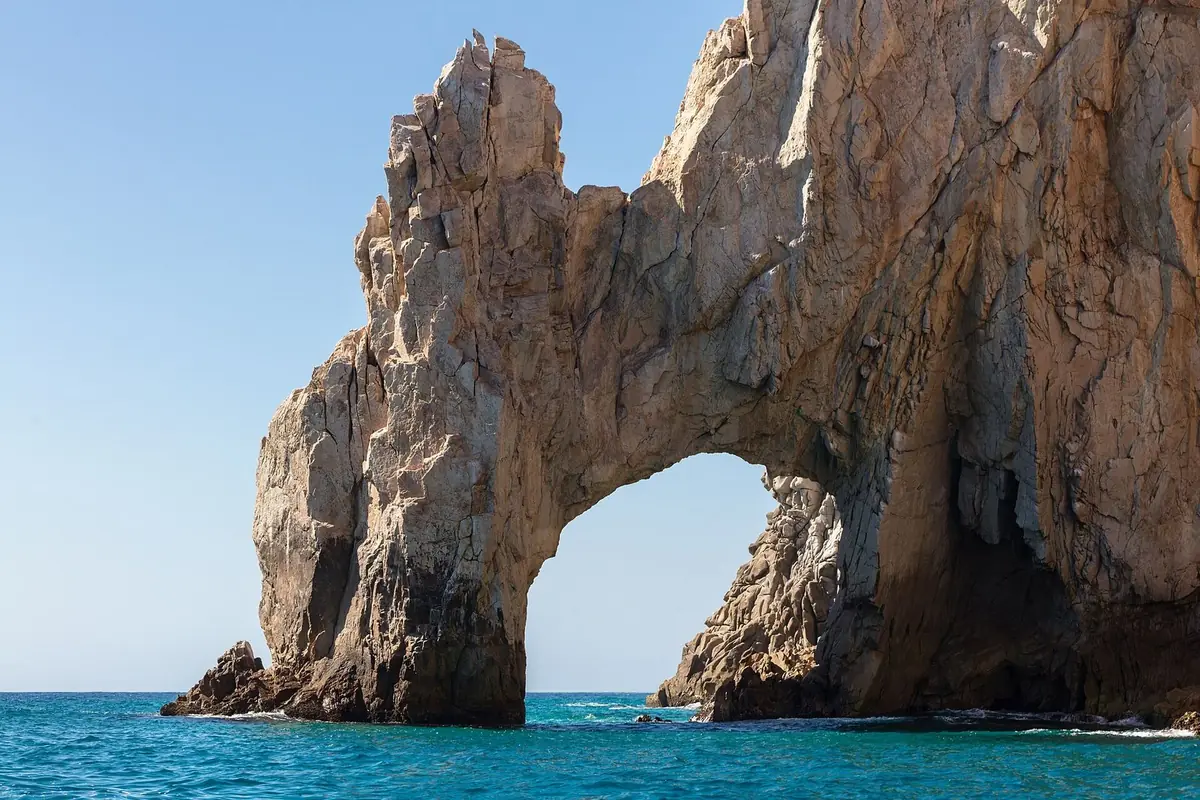
The rock formation at the very end of the peninsula is Los Cabos' signature view. You can only get there by sea, by water taxi, kayak or tour from the marina or Médano Beach. Next to it is Playa del Amor (Lover's Beach), with calm water, and on the other side Playa del Divorcio (Divorce Beach), on the Pacific, where swimming isn't allowed.
-
02
Whale watching
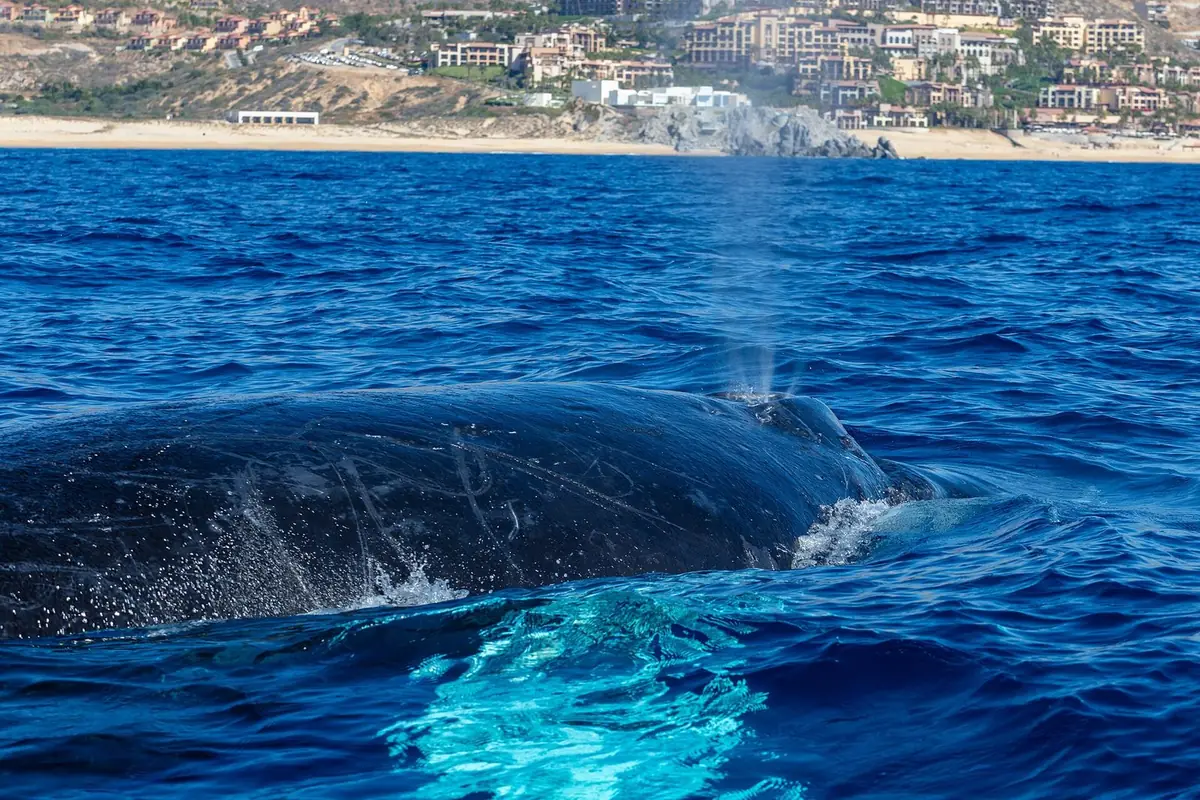
From December 15 to April 15, tours leave Cabo San Lucas to see humpback and gray whales with their calves. January and February are usually the best months. Pick operators with expert guides who keep their distance from the animals.
-
03
Cabo Pulmo
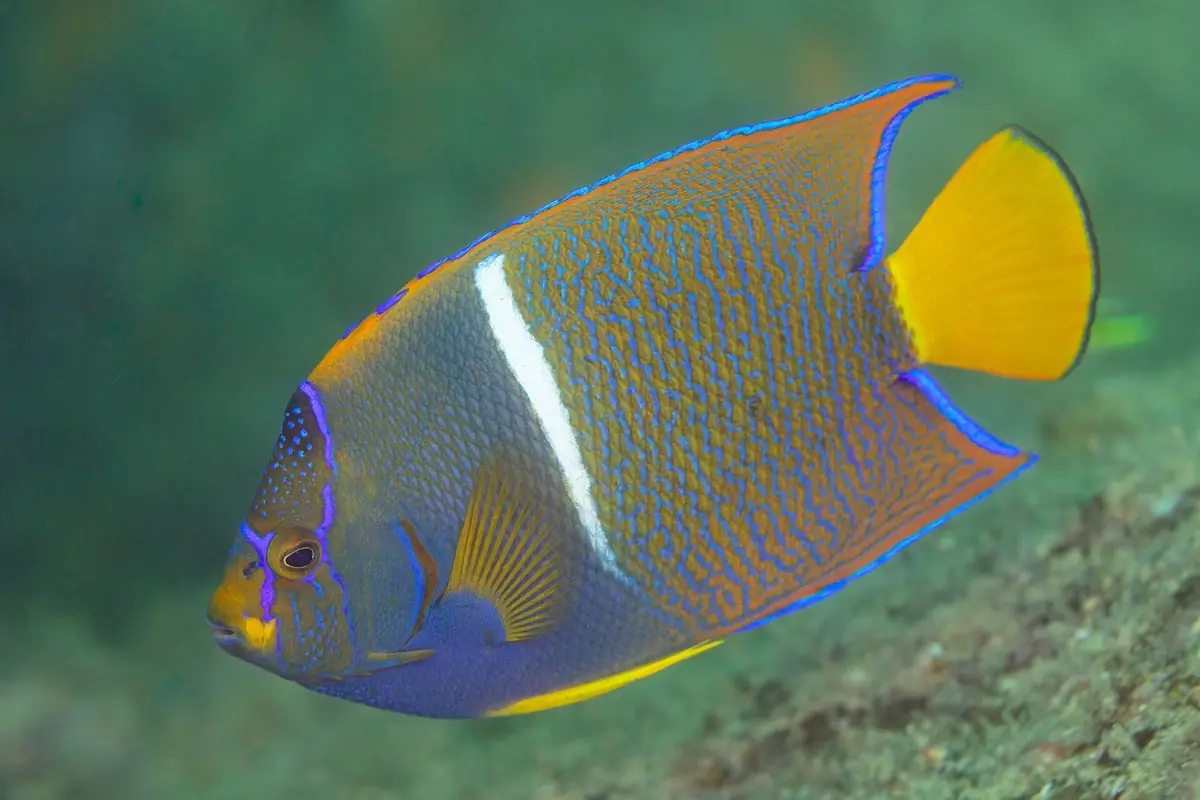
A national park since 2000 and a UNESCO World Natural Heritage site, about two hours by car from San José del Cabo. It protects the only hard coral reef in the Gulf of California, around 20,000 years old and home to more than 300 fish species. Come for snorkeling, diving and kayaking.
-
04
San José del Cabo and the Art Walk
The historic center revolves around Plaza Mijares and the mission church. On Thursdays from November to June, 5 to 9 p.m., the gallery district stays open late, the streets go pedestrian-only and entry is free.
-
05
Todos Santos
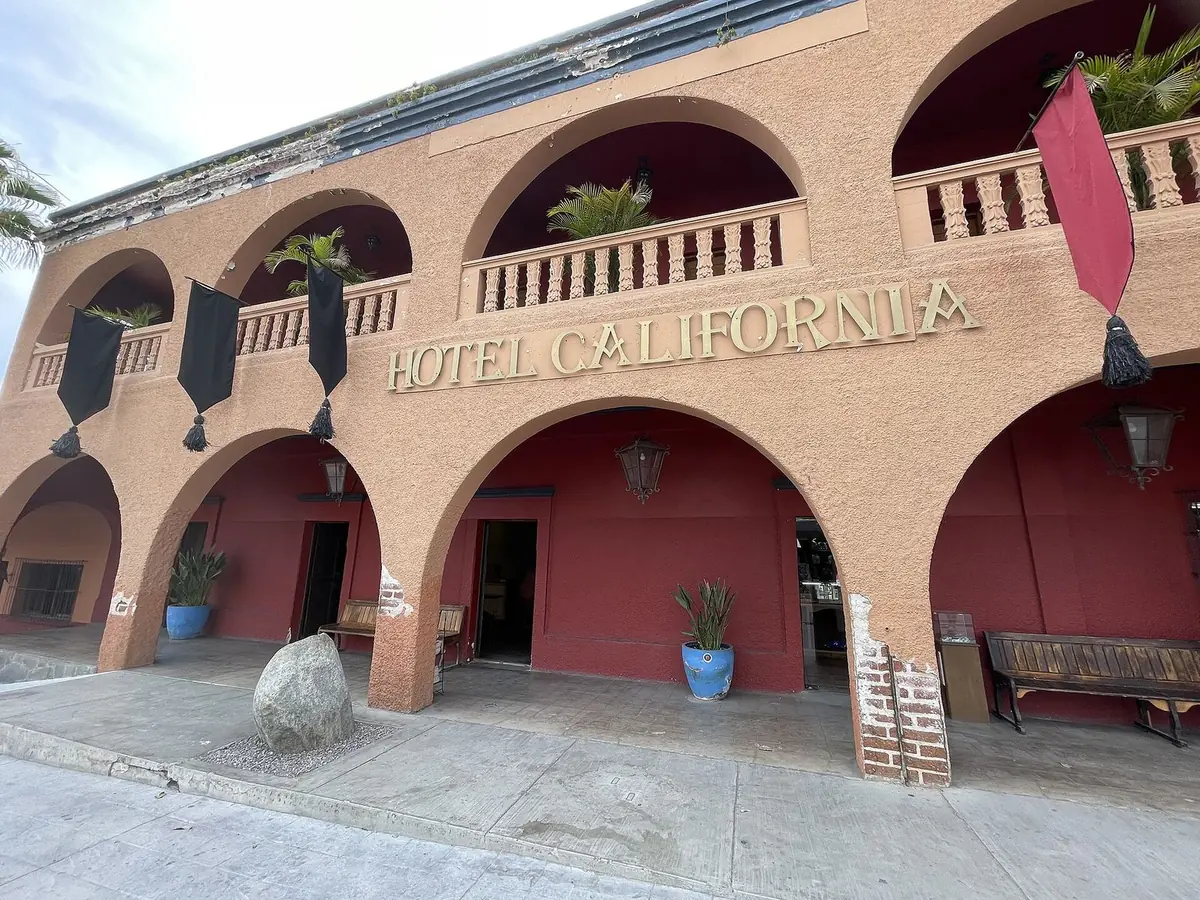
A town founded by Jesuit missionaries in 1723, just over an hour north of Cabo San Lucas. Expect art galleries, brick houses, the famous Hotel California and surf beaches like Los Cerritos and San Pedrito.
-
06
Beaches for swimming
For a swim, head to the sheltered bays along the tourist corridor, like Chileno and Santa María, with clear water for snorkeling, or Médano Beach in front of Cabo San Lucas, which has lifeguards. All three hold Blue Flag certification.
When to go
The best season runs from December to April: dry, sunny days, cool nights and, from December 15 to April 15, whale season, peaking in January and February. May and June stay dry but get very hot. The eastern Pacific hurricane season runs from May 15 to November 30, with most activity between late June and early October; August and September bring most of the rain.
- Jan: Best. Peak whale season; dry and mild
- Feb: Best. Whales with calves; sunny days
- Mar: Best. Dry and pleasant; whales still around
- Apr: Good. Whales until the 15th; busy Holy Week
- May: Good. Dry and hot; no whales
- Jun: Good. Dry heat; hurricane season underway
- Jul: Good. Very hot; watch storm forecasts
- Aug: Rainy. Humid heat, rain and storm risk
- Sep: Avoid. Wettest month; peak storm season
- Oct: Rainy. Less rain; storm season continues
- Nov: Good. Pleasant weather; Art Walk returns
- Dec: Best. Dry; whales from the 15th
-
Best
Dec – Mar
The best time to go.
-
Good
Apr – Jul · Nov
A good time, with a catch on weather or crowds.
-
Rainy
Aug · Oct
More rain: keep plans flexible.
-
Avoid
Sep
Wettest month; peak storm season.
What you need to travel
For Colombian passport holders: no visa is needed for tourist stays of up to 180 days, but you must complete the INM electronic pre-registration and show the purpose of your trip and proof of funds at the immigration interview. Baja California Sur also charges the Embrace It visitor fee. Meeting every requirement doesn't guarantee entry: the immigration officer makes the final call. Traveling on another passport? Requirements differ, so message us and we'll check yours.
Checked in October 2026 with Colombian Foreign Ministry: complete the pre-registration before traveling to Mexico. Rules change, so we confirm what applies to you when you book.
- Valid Colombian passport, ideally with at least 6 months of validity.
- Mandatory electronic pre-registration for air arrivals on the National Migration Institute portal (inm.gob.mx). It's free and generates a QR code: print it and keep it on your phone too.
- Ticket out of Mexico (back to Colombia or on to another destination).
- Hotel booking with proof of payment, or an invitation letter if you're staying with family or friends.
- Trip itinerary with activities and transportation booked.
- Proof of funds: Colombia's Foreign Ministry suggests being able to show USD 100 to 500 per day of your stay (cash, cards or bank statements). A letter from your employer stating your vacation dates helps.
- When you arrive by air, your entry record is digital (Digital Multiple Immigration Form, FMM): check the number of days you've been granted and download your digital FMM from the INM portal.
- Embrace It: Baja California Sur's visitor fee for international travelers over 12 staying more than 24 hours. In 2026 it costs MXN 488 per person. Pay only online at embraceit.bcs.gob.mx, before your trip or on arrival. You'll get a certificate with a QR code that can be requested during your stay or at entry points.
- Mexico requires no vaccines for entry, including yellow fever. Keep your routine vaccinations up to date.
- Minors traveling without one parent: a notarized exit permit from the parent who isn't traveling, per Migración Colombia rules.
Take the full guide with you
Entry requirements, best months, local tips and our favorite places to eat in Los Cabos, in a PDF you can keep on your phone.
Bokana tips
What we've learned running trips, and what we'd tell a friend before they go.
-
Check the flag before you swim
Many Pacific-side beaches in Los Cabos have heavy surf and dangerous currents. Swim in sheltered bays like Médano, Chileno or Santa María, and never at Playa del Divorcio.
-
Pay Embrace It before you fly
Use only the official portal, embraceit.bcs.gob.mx, and save the QR code on your phone. Be wary of sites that charge a commission for the same thing.
-
Book whale tours early
From January to March, tours fill up. Pick operators with expert guides and a hydrophone (an underwater mic for whale song) who keep their distance and don't chase the animals.
-
Mind the time difference
Los Cabos is two hours behind Colombia. Factor that in for morning tours, your connection in Panama and calls home.
-
Pack a layer for the evening
In winter the days are hot, but nights drop to 13 or 14 °C (55 to 57 °F). A light sweater is enough. In summer, bring sunscreen, a hat and plenty of water: the desert sun is strong.
-
Do Cabo Pulmo by car, unhurried
The only way in is by road in your own or a rental car, about two hours from San José del Cabo. Leave early, bring cash and pay for the CONANP (Mexico's protected areas agency) access wristband.
-
Track storms in season
If you travel between June and November, check alerts from the National Hurricane Center and Mexico's National Weather Service, and buy travel insurance that covers cancellations.
What to eat
Baja-style fish tacos
Battered, fried fish on a corn tortilla with cabbage, salsa and lime. You'll find them at stands and taquerías any time of day.
Almeja chocolata
Baja California Sur's signature shellfish, a clam named for its chocolate-brown shell. It's served raw with lime and chile, or tatemada, roasted over charcoal.
Machaca de pescado
Sun-dried, shredded fish cooked with egg, tomato and onion. A classic Baja California Sur breakfast.
Damiana liqueur
The region's traditional drink, made with the wild damiana herb. Herbal and sweet; sip it neat, on the rocks or in a margarita.
Group trips to Los Cabos
Book your own spot, travel with a group, and have someone from Bokana with you the whole way.
Picture yourself in Los Cabos?
Let's plan it together.
Join one of our groups or bring your own people on a private trip.
More international destinations
Sources and photo credits
- Cancillería de Colombia: antes de viajar a México, diligencie el pre-registro
- Cancillería de Colombia: recomendaciones para viajar a México (26 de marzo de 2024)
- Instituto Nacional de Migración: portal de servicios, pre-registro y FMM digital
- Embajada de México en Colombia: Soy colombiano, ¿qué necesito para viajar a México?
- Infobae: trámite en línea para colombianos que viajan a México (20 de mayo de 2026)
- Embrace It, portal oficial del Gobierno de Baja California Sur
- Península Digital: ajustan el cobro de Embrace It a 488 pesos (13 de enero de 2026)
- Conexión Turística: Baja California Sur actualiza a 488 pesos el programa Embrace It (enero de 2026)
- Ministerio de Sanidad de España: requisitos de vacunación por país
- Visit Los Cabos: nueva ruta directa Panamá–Los Cabos de Copa Airlines
- Copa Airlines: vuelos de Panamá a San José del Cabo
- Copa Airlines: vuelos de Medellín a Panamá
- Visit Los Cabos: información del aeropuerto de San José del Cabo
- Wikipedia: Cabo San Lucas (tabla climática 1991–2020 y zona horaria)
- Wikipedia: husos horarios de México
- NOAA National Hurricane Center: climatología de la temporada del Pacífico oriental
- Visit Los Cabos: todo sobre el avistamiento de ballenas
- Visit Los Cabos: Cabo Pulmo
- CONANP: Parque Nacional Cabo Pulmo, ubicación y cobro de derechos
- Visit Los Cabos: Todos Santos
- Cabo San Lucas.net: Playa del Amor, Playa del Divorcio y El Arco
- Cabo San Lucas Beaches: Divorce Beach
- Forbes México: Art Walk, la cara más artística de San José del Cabo
- Art Cabo: San José del Cabo Art Walk
- Cabo Adventures: playas para nadar en Cabo
- Diario El Independiente: Los Cabos renueva sus banderas Blue Flag (septiembre de 2025)
- Visit Los Cabos: playas Blue Flag
- Larousse Cocina: Baja California Sur
- Excélsior: comida típica de Baja California Sur
- Gourmet de México: almeja chocolata
- Wikipedia: electricidad por país (enchufes y voltaje)
- Google Maps (fichas de restaurantes consultadas el 4 oct 2026)
Photos: Diego Delso (CC BY-SA 4.0), Wikimedia Commons (main photo) · Diego Delso (CC BY-SA 4.0), Wikimedia Commons · Diego Delso (CC BY-SA 4.0), Wikimedia Commons · Legion007k (CC BY-SA 4.0), Wikimedia Commons.