
Panama & San Blas
An hour and a half's flight brings you to a UNESCO-listed colonial quarter, a working Canal and the Guna Yala islands, governed by their own people.
- Where it is
- Panama City, on the Pacific coast, and the Guna Yala comarca, on the eastern Caribbean coast next to the Colombian border.
- Getting there
- Nonstop on Copa to Tocumen (PTY): about 1 h 45 min from Bogotá and around 1 h 30 min from Medellín and Cali. Several flights a day.
- Weather
- Tropical, averaging about 27 °C (81 °F) year-round: highs of 31 to 33 °C (88 to 91 °F) and lows of 21 to 23 °C (70 to 73 °F). Dry season from December to April; rain from May to November, heaviest in September and October.
- Documents
- Colombian passport holders: valid passport (6 months recommended), return ticket and proof of funds of at least USD 500. No visa; tourist stays of up to 90 days.
- Money
- The balboa, pegged one-to-one to the US dollar. There are no balboa bills: people use US dollar bills along with local and US coins. Cards work well in the city; in Guna Yala almost everything is paid in cash, in small bills.
- Language
- Spanish. In Guna Yala people speak the Guna language (dulegaya); many Guna also speak Spanish.
- Time zone
- UTC-5 year-round, with no daylight saving time: the same time as Colombia.
- Plugs
- Types A and B, 120 V and 60 Hz, same as in Colombia. You won't need an adapter.
From the Canal to the Guna islands
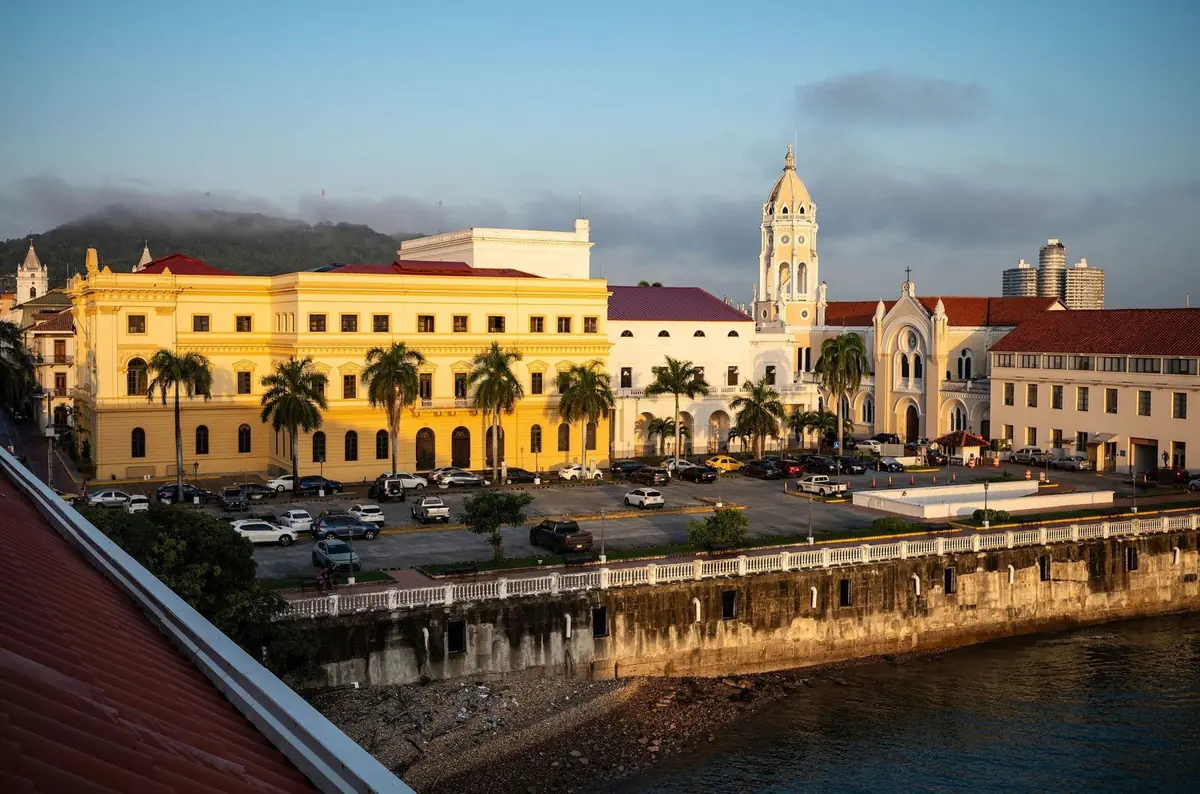
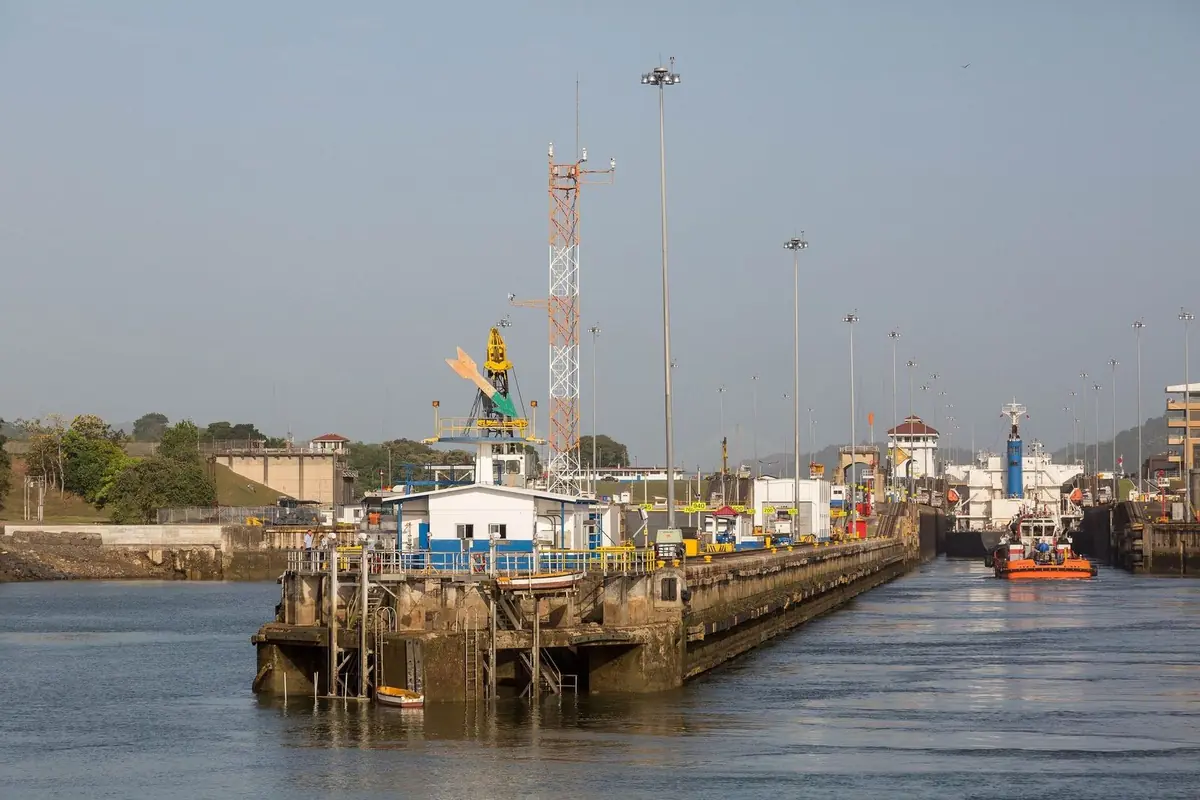
Panama City is Copa's hub and one of the best-known layovers for travelers from Colombia, but it deserves more than a connection. The Casco Antiguo (old quarter), rebuilt after the first city was destroyed in 1671, forms a World Heritage Site together with the ruins of Panamá Viejo. A few minutes away, at the Miraflores Locks, you watch ships cross from one ocean to the other, and on the Amador Causeway stands the Biomuseo, Frank Gehry's only building in Latin America.
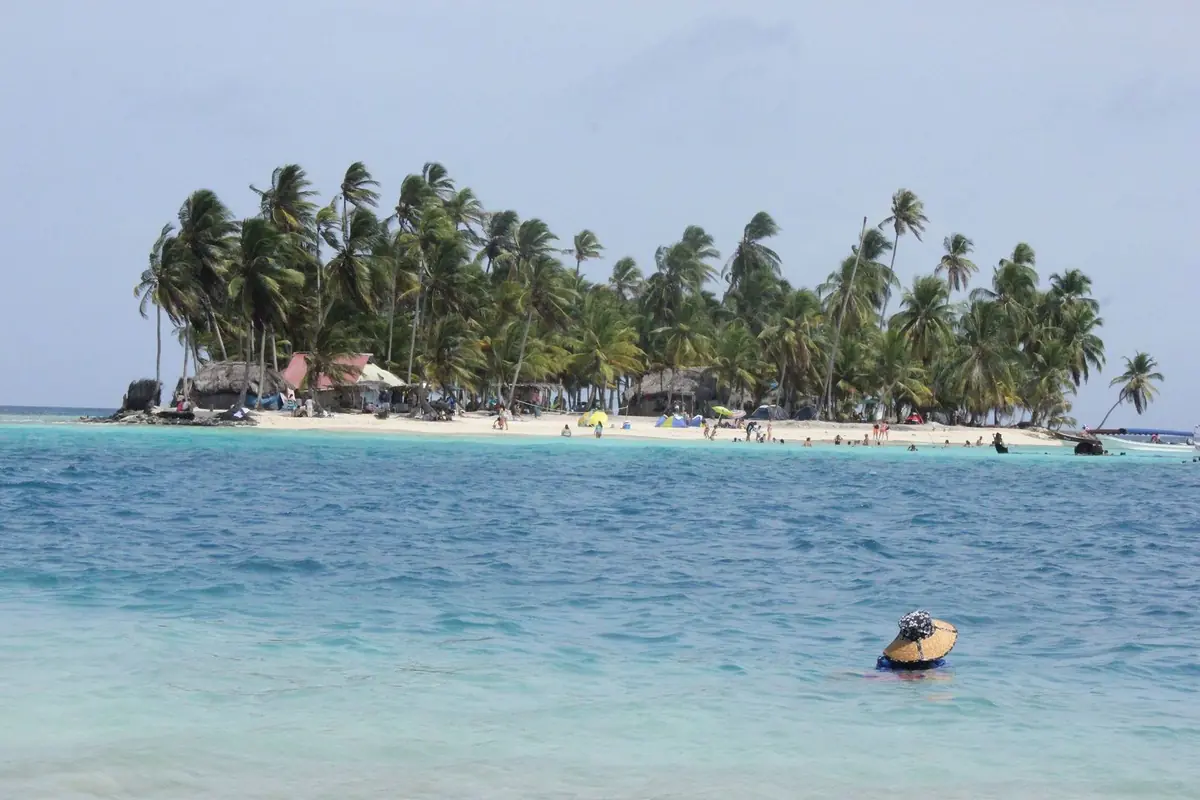
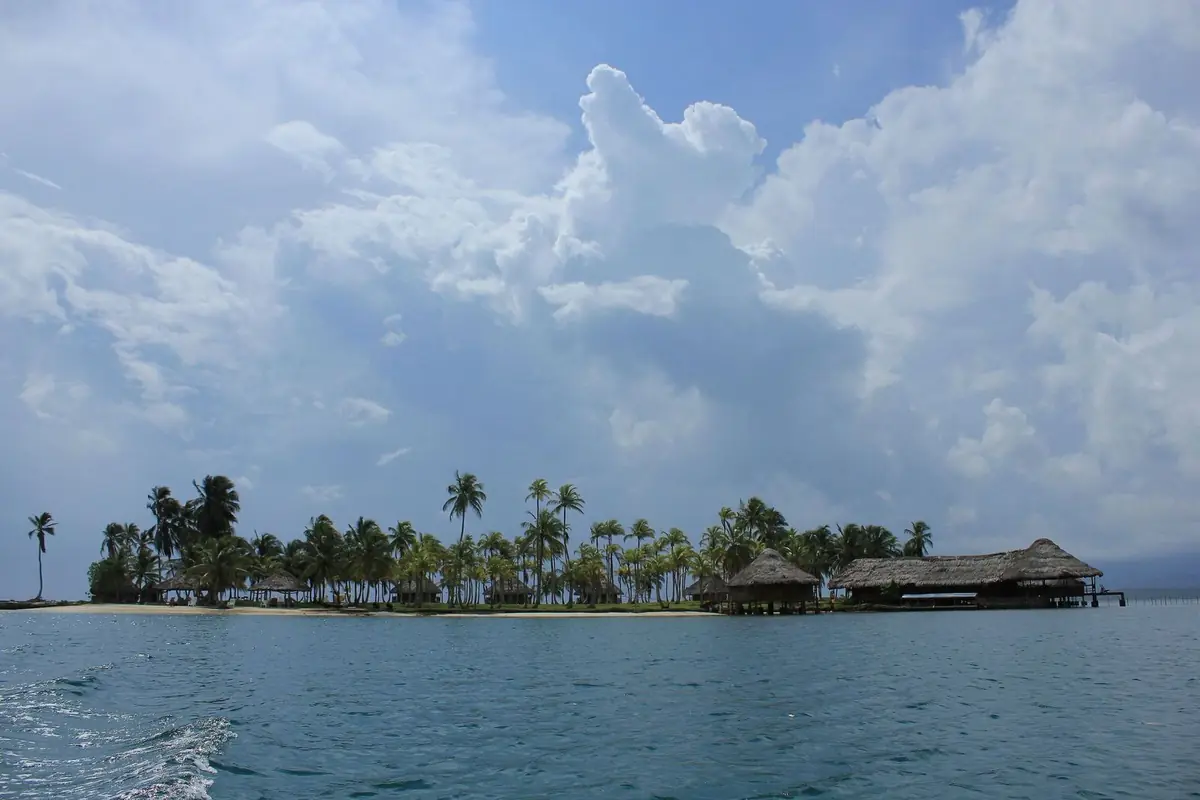
On the Caribbean side lies Guna Yala, formerly San Blas: a strip of coast and some 365 islands, about 50 of them inhabited, on the border with Colombia. It's an autonomous comarca (Indigenous territory) of the Guna people, who decide how tourism works on their land and charge an entry fee. You get there by 4x4 on the El Llano-Cartí road, then by boat. Lodging is simple, cabins and hammocks, and the reward is the quiet.
Don't miss
-
01
Casco Antiguo
Plazas, churches, restored balconies and views of the skyscrapers across the bay. Walk it early or at sunset, when the heat eases, and finish on a rooftop looking at the modern city across the water.
-
02
Miraflores Locks
The Panama Canal Authority's visitor center is open 8 a.m. to 6 p.m., with ticket sales until 5 p.m. It has viewing decks over the locks, a museum and an IMAX film. Ship transits vary with the vessel schedule.
-
03
Agua Clara and the expanded Canal
On the Caribbean side, near Colón, the Agua Clara visitor center shows the locks of the expanded Canal, used by Neopanamax ships. Worth the trip if you want to see both faces of the Canal.
-
04
Biomuseo and the Amador Causeway
Frank Gehry's biodiversity museum explains how the isthmus changed the planet by joining two continents. Open Tuesday to Sunday. Afterward, bike the causeway, with views of ships waiting their turn.
-
05
The Guna Yala islands
Small islands of white sand, palm trees and clear water, a short boat ride from Cartí. Stay at least one night: at sunrise and sunset, once the day-trippers leave, the islands go quiet.
-
06
Molas and community life
Molas, textile panels hand-sewn by Guna women, are the main income for many families. Visit an inhabited island with a local guide and buy directly from the artisans.
When to go
The dry season, December to April, brings sunny days in the city and is the most popular time to go. In Guna Yala it coincides with the trade winds: from January to March the sea gets choppy and long boat rides are rough. From May to November there's more rain, mostly afternoon downpours, and the Caribbean is usually calmer, with better visibility for snorkeling.
- Jan: Best. Dry; rough seas in San Blas
- Feb: Best. Dry and sunny; trade winds
- Mar: Best. Dry; lobster closed season begins
- Apr: Good. End of the dry season
- May: Rainy. Rains begin; calmer seas
- Jun: Rainy. Afternoon downpours; good snorkeling
- Jul: Rainy. Rainy, seas usually calm
- Aug: Rainy. Frequent rain, humid heat
- Sep: Rainy. One of the rainiest months
- Oct: Rainy. The rainiest month in the city
- Nov: Rainy. Rainy; shifting to dry season
- Dec: Good. The dry season arrives
-
Best
Jan – Mar
The best time to go.
-
Good
Apr · Dec
A good time, with a catch on weather or crowds.
-
Rainy
May – Nov
More rain: keep plans flexible.
What you need to travel
For Colombian passport holders: you can enter Panama as a tourist without a visa for up to 90 days. At immigration, officers may ask for your passport, an onward ticket and proof of funds. For Guna Yala, you also pay an entry fee to the Guna General Congress. Traveling on another passport? Requirements differ, so message us and we'll check yours.
Checked in September 2026 with Panama National Migration Service: requirements for tourists. Rules change, so we confirm what applies to you when you book.
- Valid Colombian passport. The Colombian Consulate in Panama calls for at least 6 months of validity; other sources say 3 months. Travel with 6 to avoid problems.
- Return ticket to Colombia or an onward ticket.
- Proof of funds: the law sets no amount, but the Colombian Consulate in Panama recommends being able to show at least USD 500 per person, in cash or by credit card.
- Agree to an interview with the immigration officer, biometric data collection and a baggage check, under Panama's Migration Law.
- Maximum tourist stay: 90 days. Tourists may not work in Panama.
- Minors traveling without one parent: a duly authenticated permit from the absent parent.
- Guna Yala: the Guna General Congress entry fee, reported at about USD 22 for foreigners, paid in cash at the checkpoint on the El Llano-Cartí road. Some islands charge a small separate landing fee.
- Bring your passport to Guna Yala: checkpoints in the comarca ask for documents.
Take the full guide with you
Entry requirements, best months, local tips and our favorite places to eat in Panama & San Blas, in a PDF you can keep on your phone.
Bokana tips
What we've learned running trips, and what we'd tell a friend before they go.
-
Keep proof of funds handy
Carry your credit card with its statement or the cash equivalent of USD 500, your return ticket and your hotel address. At Tocumen they may ask for them without warning, especially in high season.
-
Book Guna Yala with a Guna operator
The Guna General Congress reserves tourism in the comarca for registered Guna operators and lodges. Book your 4x4, boat and lodging package with them; your money stays in the community and you avoid surprises at the checkpoints.
-
Predawn departure for Cartí
The 4x4s pick you up in the city around 5 a.m. to make the morning boats at Cartí port. The El Llano-Cartí road has sharp curves: if you get carsick, come prepared.
-
Photos only with permission
Always ask before photographing people; some communities charge per photo. Guna tourism rules ban photos of cemeteries and ritual sites without permission from local authorities.
-
Dress for the community
On inhabited islands, don't walk the streets in swimwear; Guna tourism rules prohibit it. Pack a T-shirt and shorts or a skirt for community visits.
-
Cash in small bills
In Guna Yala almost everything is paid in cash. Bring dollars in 1, 5, 10 and 20 bills for the entry fee, island landing fees, molas and drinks; getting change out there is hard.
-
Pack light, bring a dry bag
The boats are open and the waves splash. Bring a small backpack, a dry bag for your phone and documents, a flashlight, insect repellent and mineral sunscreen. Lodges are rustic, so bring whatever you'll need.
-
Miraflores first thing
Arrive at opening, 8 a.m., to beat the lines and the midday heat. Buy your ticket online on the Canal's official website. Pair it with the Casco Antiguo or the Amador Causeway the same day.
What to eat
Panamanian sancocho
Hen soup with ñame (a starchy yam) and culantro (a punchy cousin of cilantro), served with white rice. It's Panama's national dish, and you'll find it at almost any fonda (casual local eatery).
Ceviche at the Mercado de Mariscos
Fish or shrimp cured in lime with onion and chili, served in little cups. The seafood market sits between the Casco Antiguo and the Cinta Costera, the waterfront boulevard.
Fish with coconut rice
In Guna Yala, meals revolve around the day's catch: fried or stewed fish, coconut rice and plantain.
Hojaldras
Fried dough, puffy and slightly sweet, a Panamanian breakfast staple with eggs or steak. Order them at a local fonda.
Group trips to Panama & San Blas
Book your own spot, travel with a group, and have someone from Bokana with you the whole way.
Picture yourself in Panama & San Blas?
Let's plan it together.
Join one of our groups or bring your own people on a private trip.
More destinations in the Caribbean
Sources and photo credits
- Servicio Nacional de Migración de Panamá: requisitos para turistas (Ley de Migración, art. 43)
- Consulado de Colombia en Panamá (Cancillería): Guía del inmigrante colombiano en Panamá
- Wikipedia: política de visados de Panamá (estancia de 90 días para colombianos)
- IATI Seguros: requisitos para viajar a Panamá desde Colombia en 2026
- Congreso General Guna: Reglamento de Turismo
- PlanPTY: guía de San Blas (Guna Yala), tasas, transporte y alojamiento
- Wikipedia: Guna Yala
- Mi Diario: los gunas y la veda de langosta (15 de mayo de 2021)
- Visit Canal de Panamá: Centro de Visitantes de Miraflores
- Biomuseo
- UNESCO: Sitio arqueológico de Panamá Viejo y Distrito histórico de Panamá
- Wikipedia: Ciudad de Panamá (tabla climática OMM 1991-2020)
- Wikipedia: balboa panameño
- Wikipedia: hora en Panamá
- Wikipedia: electricidad por país (enchufes y voltaje)
- Copa Airlines: vuelos entre Panamá y Colombia
- Copa Airlines: vuelos desde Cali
- Click&Sailing: mejor época para navegar en San Blas
- Latin America's 50 Best 2025, lista Panamá (News in America, 7 dic. 2025)
- 50 Best Discovery: Fonda Lo Que Hay
- TripAdvisor: Fonda Lo Que Hay
- TripAdvisor: Caleta
- Eats Panama: Caleta
- Wanderlog: Café Coca-Cola
- The Lost and Found Hostel: Café Coca-Cola (abril 2026)
- Wanderlog: El Trapiche Vía Argentina
- TripAdvisor: La Tapa del Coco
- Degusta Panamá: La Tapa del Coco
- Wanderlog: Maito
- 50 Best: Maito
Photos: Mónica J. Mora (CC BY-SA 3.0), Wikimedia Commons (main photo) · RB Photo (CC BY 2.0), Wikimedia Commons · David Brossard (CC BY-SA 2.0), Wikimedia Commons · Ayaita (CC BY 3.0), Wikimedia Commons.