
Cartagena
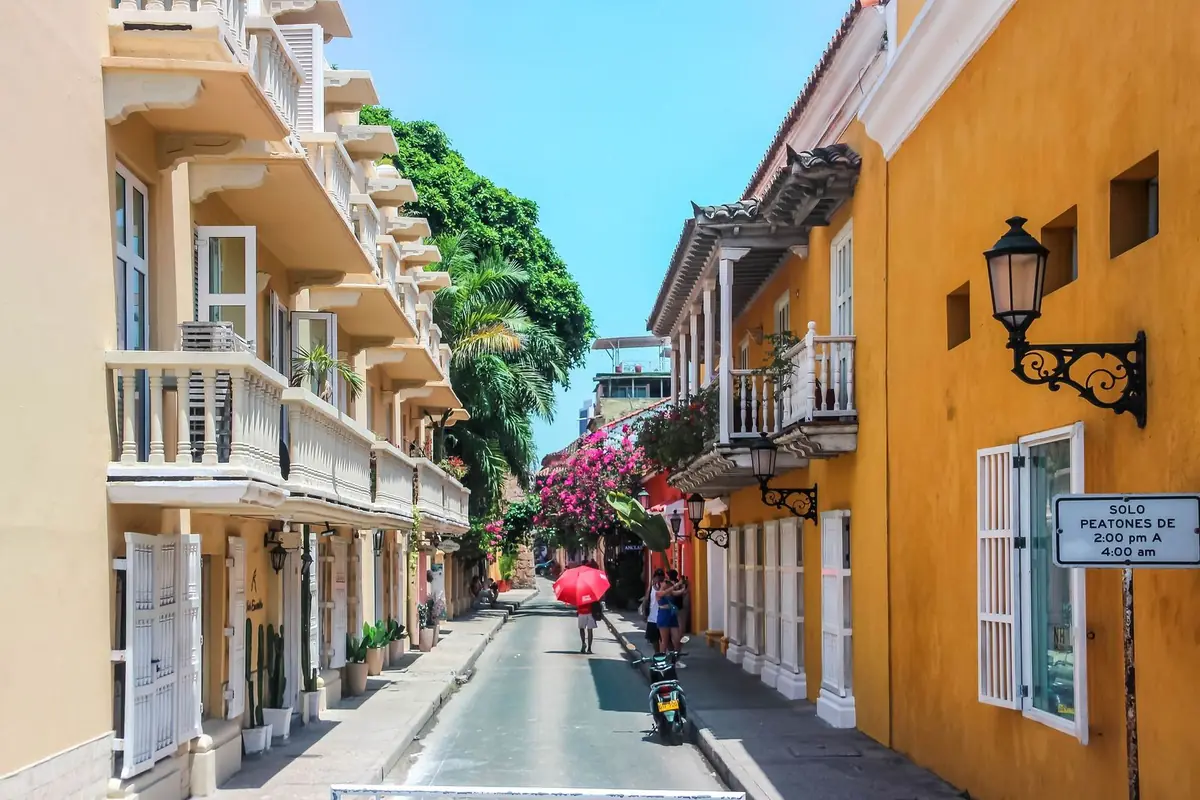
A walled city made for walking, a protected coral sea an hour away by boat and, close by, the first free African town in the Americas.
- Where it is
- Colombia's Caribbean coast; capital of the Bolívar department.
- Getting there
- Nonstop from Bogotá in about 1 h 25 min to 1 h 30 min; from Medellín, around 1 h 15 min.
- Weather
- Hot year-round: highs of 31–32 °C (88–90 °F), lows of 24–26 °C (75–79 °F) and humidity near 80%. Dry December to April; rainy May to November, peaking in October.
- Documents
- Original Colombian ID (cédula) for residents; passport for foreign visitors. You need it for the flight and to board boats to the islands. Minors need their own ID.
- Money
- Colombian peso (COP). Hotels and restaurants take cards; bring cash for the pier, the islands, street vendors and tips. Pay in pesos, not dollars.
- Language
- Spanish. In San Basilio de Palenque, people also speak Palenquero, a Spanish-based creole with Bantu features.
- Time zone
- Colombia time (UTC-5).
- Plugs
- Types A and B, 120 V, 60 Hz. Colombian chargers work as usual.
Walls, islands and the memory of Palenque
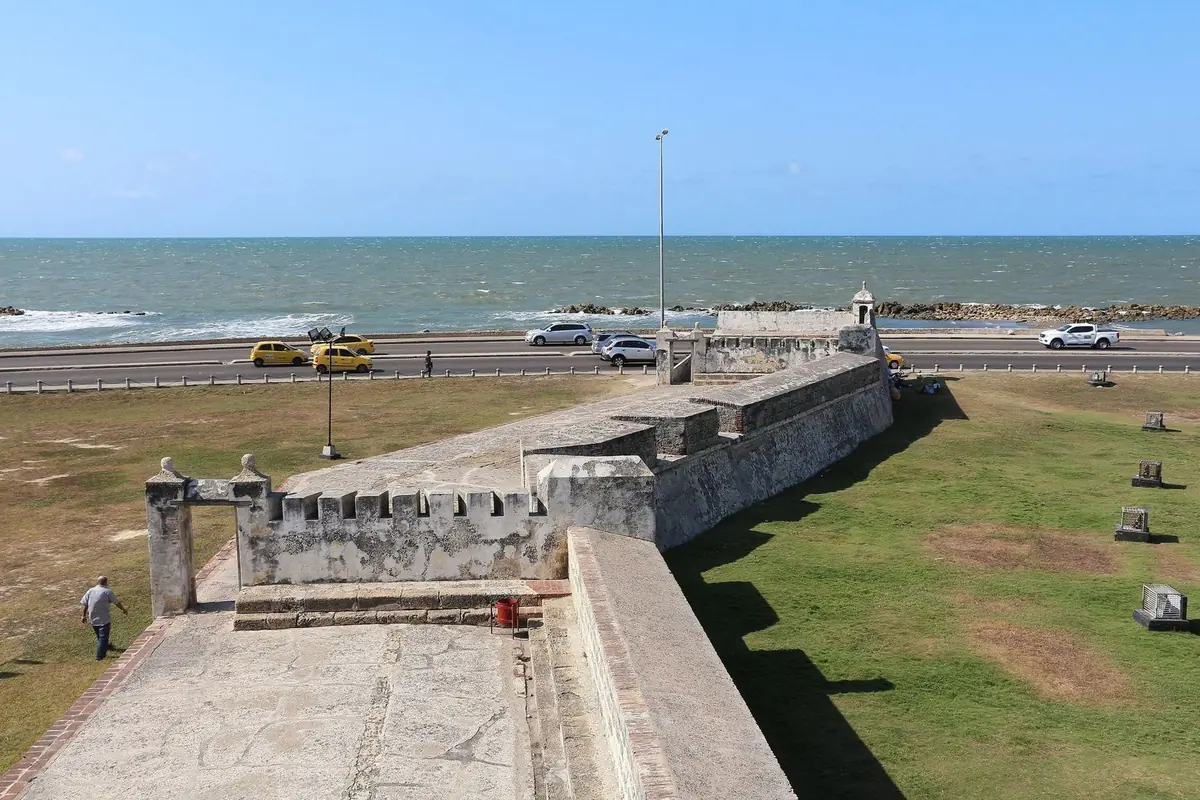
Cartagena de Indias has been a UNESCO World Heritage Site since 1984 for its port, its fortifications and its monumental core. About 11 km (7 mi) of walls ring the historic center, and the Castillo de San Felipe de Barajas watches over the city from its hill. Next door, Getsemaní tells another story: it was home to the Lanceros, the lancers who drove the city's independence on November 11, 1811. Today it's the liveliest part of town for an evening walk.
Just offshore lies Corales del Rosario y de San Bernardo National Natural Park, a protected marine area for snorkeling, diving and beach days with clear rules. About an hour away by road, San Basilio de Palenque was founded in the early 17th century by people who escaped slavery. UNESCO recognizes its cultural space as Intangible Cultural Heritage of Humanity, and Palenquero, the town's own language, is still spoken there.
Don't miss
-
01
The walled city at sunset
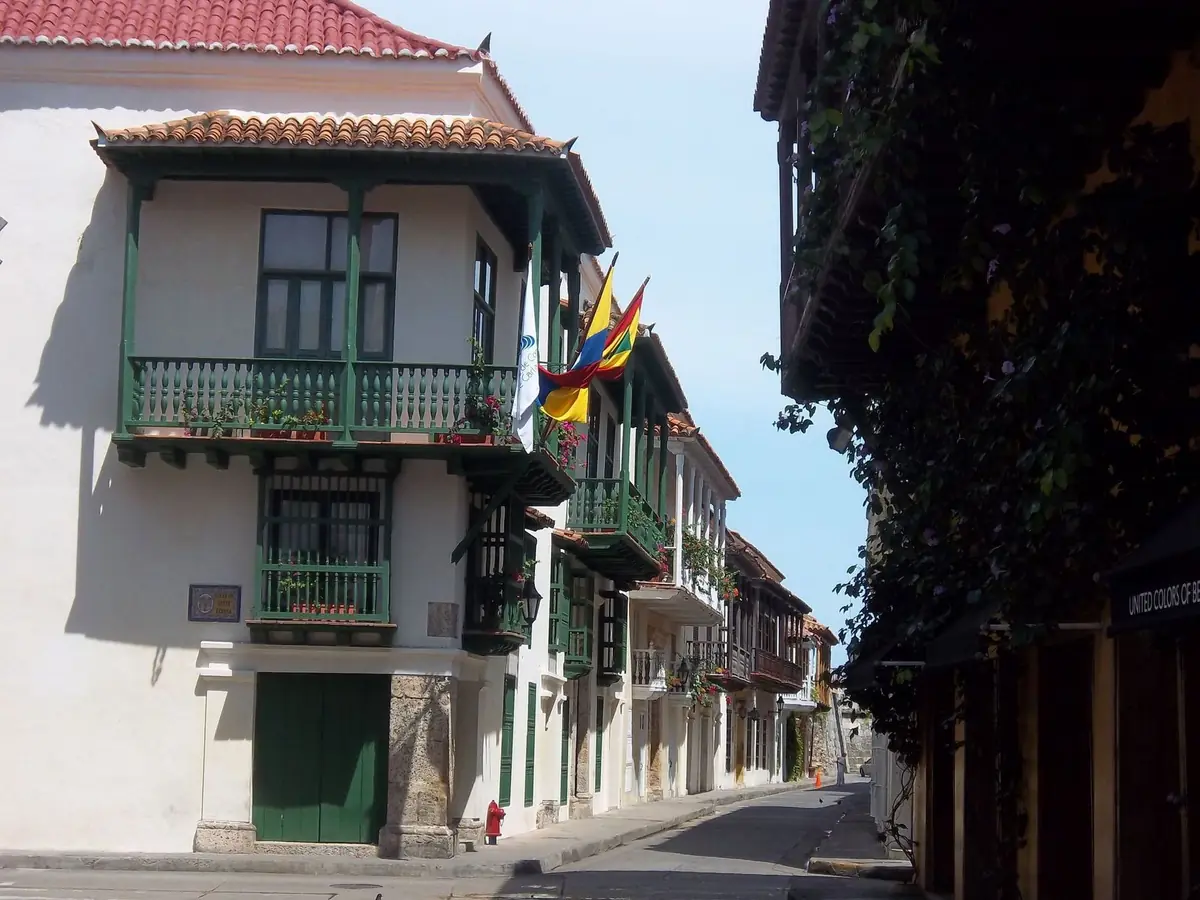
Walk the historic center and climb onto the walls as the sun goes down. Plazas, balconies and bastions make up the ensemble UNESCO listed as a World Heritage Site in 1984.
-
02
Castillo de San Felipe de Barajas
One of the largest Spanish fortresses in the Americas, with tunnels designed so defenders could hear the enemy coming. Open daily, 7 a.m. to 6 p.m.; go early to beat the heat.
-
03
Getsemaní after dark
The neighborhood of the 1811 Lanceros mixes colorful houses, street art and everyday local life. A graffiti walking tour led by a local guide helps you read its past and its present.
-
04
Rosario Islands
Inside Corales del Rosario y de San Bernardo National Natural Park: snorkeling, diving and beach time. Depart only from La Bodeguita pier, with a licensed operator.
-
05
Barú and Playa Blanca
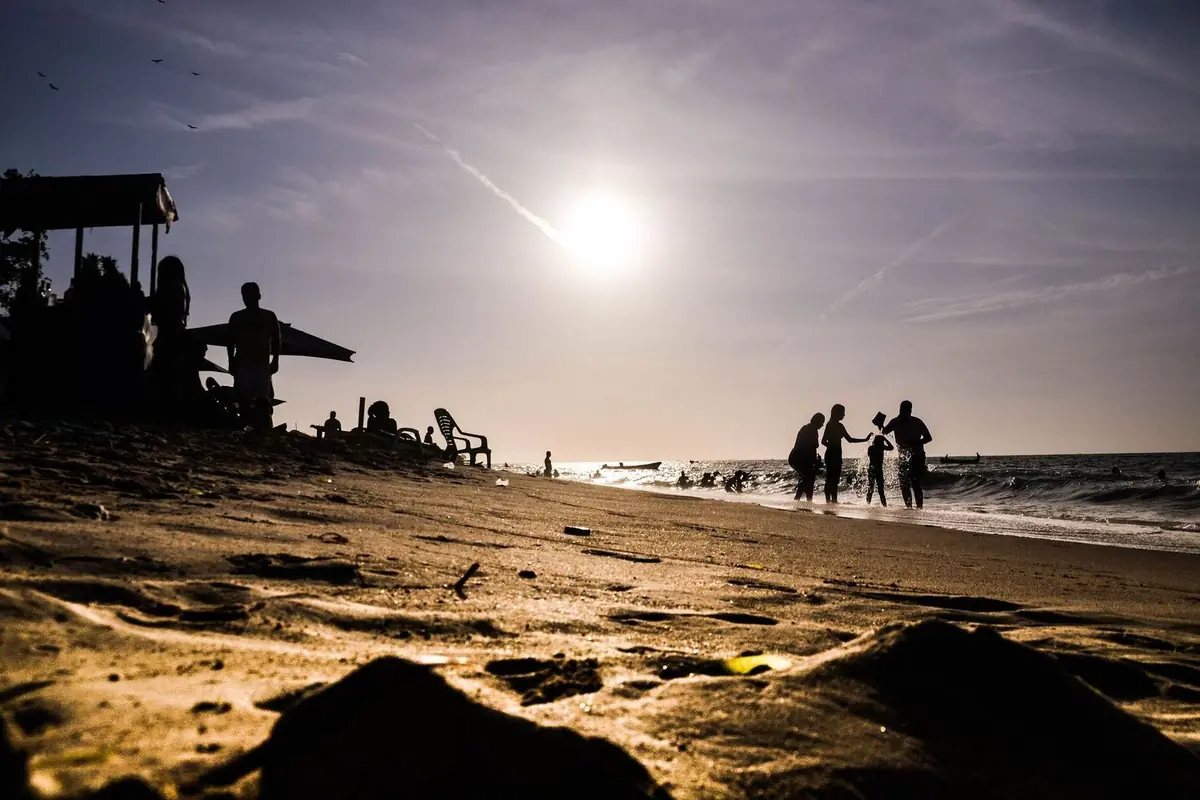
Barú and its Playa Blanca rank among Cartagena's main beaches. Go on a weekday: over a single 2026 holiday weekend, more than 6,500 passengers left from La Bodeguita.
-
06
San Basilio de Palenque
About an hour by road, the first free African town in the Americas. UNESCO proclaimed its cultural space in 2005. Visit with community guides and listen to its music and its language.
When to go
The dry season runs December to April: rain is rare and the breeze takes the edge off the heat, ideal for the walls and the islands. December, January and Holy Week (Semana Santa) are high season, with bigger crowds and higher rates. May to November brings short downpours, more frequent in September, October and November. The Atlantic hurricane season runs June to November, so check the forecast before heading out to the islands.
- Jan: Best. Dry and breezy; high season
- Feb: Best. Dry, sunny, good sea conditions
- Mar: Best. Dry; quieter after the holidays
- Apr: Best. Still dry; Holy Week gets packed
- May: Good. Short downpours begin
- Jun: Good. Moderate rain; school vacation
- Jul: Good. Moderate rain, very hot
- Aug: Rainy. More frequent downpours, very humid
- Sep: Rainy. Rainy; watch the marine forecast
- Oct: Rainy. Rainiest month of the year
- Nov: Rainy. Rainy; improves toward month's end
- Dec: Best. Dry season returns; high season
-
Best
Dec – Apr
The best time to go.
-
Good
May – Jul
A good time, with a catch on weather or crowds.
-
Rainy
Aug – Nov
More rain: keep plans flexible.
What you need to travel
For Colombian travelers: your cédula (national ID) is all you need, but an island day comes with separate fees: the National Park entry fee and the La Bodeguita pier fee. Traveling on another passport? Requirements differ, so message us and we'll check yours.
Checked in September 2026 with National Natural Parks of Colombia: Corales del Rosario y de San Bernardo National Natural Park. Rules change, so we confirm what applies to you when you book.
- Original Colombian ID (cédula) for residents; passport for foreign visitors. You need it for the flight and to register before your boat leaves. Minors need their own ID.
- 2026 entry fee for Corales del Rosario y de San Bernardo National Natural Park: COP 13,500 in the Rosario sector and COP 11,000 in the San Bernardo sector (Resolution 551 of 2025, a 3% increase). It doesn't include transportation, a guide or a beach day pass (pasadía).
- Visitor assistance and accident insurance: Resolution 273 of 2024 requires it to enter the protected area, and National Parks announced it would apply from January 2026 (approved insurers: Positiva and Zurich). It's paid separately from the entry fee.
- Pier fee at La Bodeguita, the only authorized departure point in Cartagena for tourist boats to the islands. Pay at the ticket window before boarding; bring cash.
- Book only with authorized operators; 62 companies are licensed to run trips to the islands from La Bodeguita. Wear your life jacket for the entire ride.
- Inside the park, it's forbidden to touch, step on or anchor over coral, take shells or starfish, bring in single-use plastics, or eat threatened species such as grouper (mero), sea turtle or queen conch (caracol pala).
- Castillo de San Felipe de Barajas, 2025–2026: COP 33,000 for Colombians with a cédula and COP 38,000 full price; free for Colombians over 62 and on the last Sunday of each month, except January and December.
Take the full guide with you
Entry requirements, best months, local tips and our favorite places to eat in Cartagena, in a PDF you can keep on your phone.
Bokana tips
What we've learned running trips, and what we'd tell a friend before they go.
-
Head out early
Boats to the park leave between 8 and 10 a.m., and the return depends on the Port Authority (Capitanía) and sea conditions. Eat breakfast first and get to the pier with time to pay the fees.
-
Photos with palenqueras
Palenqueras, the fruit sellers from Palenque, earn their living on the street. Ask before you raise your camera and agree on the price before the photo: it's their work and helps support their families. Buying their fruit is another good way to support them.
-
Walk in the cool hours
With highs of 31–32 °C (88–90 °F) and high humidity, save the historic center and the castle for early morning or late afternoon. Wear linen or cotton and a cap, and always carry water.
-
Agree on taxi fares
Tourist distances are short and taxis are practical, but agree on or confirm the fare before you get in to avoid being overcharged.
-
Cash for island day
The pier fee, park entry, beach lunch and tips are usually paid in cash. Carry small bills in a dry bag.
-
Reef-friendly sun protection
Use biodegradable sunscreen or, better yet, a rash guard. Fewer chemicals in the water help the park's reefs.
-
Palenque with a local guide
Going with community guides keeps your money in town and helps you understand what you see: the kuagro (the town's age-based social groups), the lumbalú (funeral rites) and the language. If you can, time your visit with the Drum Festival in October.
What to eat
Arepa de huevo
A fried classic of Colombia's Caribbean coast: a corn arepa is fried, split open, filled with a raw egg and fried again. A street breakfast.
Arroz con chipi chipi
Rice with chipi chipi, a tiny Caribbean clam. It's one of the traditional dishes recommended by Colombia's official tourism guide.
Palenqueras' fruit
Cut mango, watermelon and pineapple, sold by palenqueras for centuries: a tradition of African origin in Cartagena's kitchen.
Pork loin in tamarind sauce
A sweet-and-sour pairing typical of the coast, found in traditional Cartagena cooking.
Group trips to Cartagena
Book your own spot, travel with a group, and have someone from Bokana with you the whole way.
Picture yourself in Cartagena?
Let's plan it together.
Join one of our groups or bring your own people on a private trip.
More destinations in Colombia
Sources and photo credits
- Parques Nacionales Naturales: PNN Corales del Rosario y de San Bernardo
- Vanguardia: tarifas 2026 de parques nacionales (1 ene 2026)
- Infobae: tarifas 2026 parques nacionales, Resolución 551 de 2025
- Semana: seguro obligatorio para ingresar al PNN Corales del Rosario (7 ene 2026)
- El Universal: pasajeros desde La Bodeguita, único punto de zarpe autorizado (7 ago 2026)
- El Universal: nuevos controles a embarcaciones hacia Barú e Islas del Rosario (28 sep 2026)
- DIMAR: Muelle La Bodeguita, lugar autorizado para transporte de pasajeros a las islas
- Fortificaciones de Cartagena (Escuela Taller): Castillo de San Felipe de Barajas
- UNESCO: Espacio cultural de Palenque de San Basilio
- Wikipedia: San Basilio de Palenque
- Wikipedia: Port, Fortresses and Group of Monuments, Cartagena
- Wikipedia: Cartagena de Indias (historia de Getsemaní, gastronomía y palenqueras)
- Wikipedia: Cartagena, Colombia (climatología 1991-2020, aeropuerto Rafael Núñez)
- NOAA National Hurricane Center: climatología de la temporada de huracanes
- Colombia Travel (ProColombia): Cartagena
- El Tiempo: polémica por cobro de palenqueras por fotos
- Trip.com: duración de vuelo Bogotá-Cartagena
- Radio Nacional de Colombia: Festival de Tambores de San Basilio de Palenque
- Wikipedia: Mains electricity by country (Colombia)
- Wikipedia: Arepa de huevo
- Semana: Celele, el laboratorio gastronómico del Caribe (may. 2026)
- Colombia One: restaurantes colombianos en 50 Best Discovery (ago. 2026)
- Celele, reservas Mesa247
- Restaurant Guru: Celele
- TripAdvisor: Celele By Proyecto Caribe Lab
- TripAdvisor: La Cocina de Pepina
- Restaurant Guru: La Cocina de Pepina
- Apparta: Dónde comer en Cartagena, 10 restaurantes para reservar (2026)
- Restaurant Guru: Restaurante Candé
- TripAdvisor: La Cevichería
- Restaurant Guru: La Cevichería
- Restaurant Guru: Restaurante Espíritu Santo
- Restaurant Guru: La Olla Cartagenera
Photos: © Dr. Thomas Liptak (CC BY-SA 4.0), Wikimedia Commons (main photo) · Juanfernandovilla (CC BY-SA 4.0), Wikimedia Commons · Bernard Gagnon (CC BY-SA 4.0), Wikimedia Commons · TitiNicola (CC BY-SA 4.0), Wikimedia Commons.